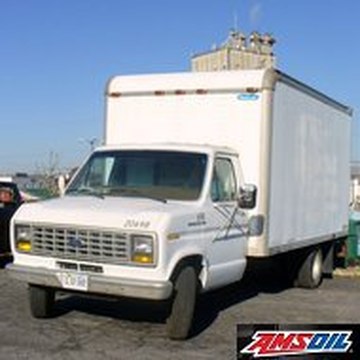
Maintenance and Lubrication for the 1981 Ford Trucks E350 VAN 5.8L
Maintaining a large-displacement engine like the 5.8L found in the 1981 Ford Trucks E350 VAN requires consistent attention to lubrication and fluid integrity. Because these vehicles are often utilized for significant hauling or long-distance travel, the engine is subject to varying thermal loads and mechanical stresses. Proper upkeep ensures that the internal components remain protected against friction and heat, which is essential for the continued operation of a heavy-duty platform.
Monitoring Fluid Integrity and Potential Leaks
One of the most effective ways to monitor the health of the 5.8L engine is through regular visual inspections of the engine bay and undercarriage. Over time, various seals and gaskets may experience changes in their ability to contain fluids. When performing routine checks, look for any signs of seepage or active dripping around the engine block and connection points.
If you notice dark staining on the underside of the vehicle or a wet appearance on the engine surfaces, it warrants further investigation. It is important to note that many different components can contribute to fluid loss; therefore, seeing a puddle does not immediately identify a single failed part. Instead, use these observations as a prompt to inspect the condition of various gaskets and seals. Addressing minor seepage early can prevent more significant issues later in the vehicle's service life.
Observing Changes in Engine Performance
Beyond visual inspections, an owner should remain attentive to how the engine behaves during operation. Changes in the way the vehicle runs can sometimes be linked to the condition of the lubrication system. For instance, if you notice a change in the sound of the engine or observe unusual exhaust characteristics, these symptoms should not be ignored.
While many factors can cause mechanical noise or changes in exhaust color, these signs can occasionally be associated with how the engine is being lubricated or how it is managing heat. If an oil-related warning indicator appears on the dashboard, this requires immediate attention to prevent potential damage. Always remember that symptoms are often non-specific; a single observation may indicate several different underlying conditions, making professional diagnosis useful when unexpected changes occur.
Managing Maintenance Records for Long-Term Ownership
For owners of a 1981 Ford Trucks E350 VAN, establishing a clear history of service is a highly effective way to manage the vehicle's longevity. If you have recently acquired this van and do not have access to previous service logs, your first priority should be to establish a maintenance baseline. This involves performing a thorough inspection of all fluids, filters, and aging components to determine their current state.
Once a baseline is set, keep detailed records of every oil change, filter replacement, and mechanical repair. Documenting the specific products used—such as the type of lubricant and the brand of filter—helps in maintaining consistency. A well-documented history allows you to distinguish between routine preventive maintenance and necessary repairs, making it easier to track how the engine's needs might evolve as the vehicle continues to age.
Inspecting Aging Engine Components
As vehicles from this era continue to be operated, certain materials may naturally undergo changes due to heat cycles and time. When conducting routine service, it is practical to inspect accessible components that are subject to environmental stress. This includes checking the condition of various hoses and belts, if equipped, for signs of cracking, glazing, or fraying.
Additionally, inspecting electrical connections and wiring harnesses can be beneficial. Corroded or loose connectors can lead to inconsistent performance in various engine systems. Rather than replacing parts based solely on their age, focus your efforts on components that show actual signs of deterioration. This condition-based approach ensures that maintenance efforts are directed where they are most needed.
The Role of Lubrication in Engine Protection
Engine oil performs several vital roles within the 5.8L engine. Primarily, it acts as a barrier between moving metal surfaces, which is necessary to reduce friction and minimize wear. Beyond simple lubrication, the fluid also plays a role in heat management by helping to carry thermal energy away from high-temperature areas of the engine.
Furthermore, the oil helps to suspend and carry away microscopic contaminants that can accumulate during the combustion process. If the oil is not changed according to a regular schedule, these contaminants can lead to the formation of deposits or sludge, which may interfere with the smooth operation of the engine. Maintaining clean, fresh lubricant is one of the most fundamental aspects of preserving the mechanical integrity of the powertrain.
Practical Guidance for Buying Engine Oil for your 1981 Ford Trucks E350 VAN 5.8L
When it is time to replenish the lubrication in your engine, accuracy in selection is paramount. You should not rely on general automotive knowledge or assumptions based on the age of the vehicle to determine which product to use. Instead, match the engine oil to the application-specific viscosity information already displayed on this webpage.
Before making a purchase, carefully check the product labels to ensure the oil meets the appropriate quality standards and certifications for your specific application. Depending on your maintenance goals and the current condition of your engine, you may encounter various options, including conventional oils, synthetic blends, or full synthetic formulations. Some high-mileage oil formulations also contain additives intended for use in aging engines, such as seal-conditioning agents. Always prioritize the specific viscosity and service requirements listed in the application data provided above to ensure the best possible protection for your 5.8L engine.